Asset Refinance for UK Businesses — Release Capital from Vehicles in 2026
💡 Key Takeaway
Asset refinance UK 2026 — how businesses release capital from vehicles, vans and equipment. Reading-based broker guide for owners and directors.
What If Your Vehicles Could Release Working Capital?
Most UK business owners think of their vans, cars and equipment as sunk costs. They bought them, they're using them, end of story.
But in 2026, asset refinance is one of the most underused tools in business finance — and it can unlock real working capital for SMEs across Reading, Berkshire and the UK.
Here's how it works and when it's worth doing. 💰
What Is Asset Refinance?
Asset refinance is a way of raising capital against assets you already own. A lender values your existing vehicles or equipment, advances you a lump sum, and you repay them over an agreed term — usually 24 to 60 months.
The key features are:
- The asset stays in your business and continues to be used
- Repayments are typically fixed, making cash flow predictable
- Funds released can be used for any legitimate business purpose
- Tax treatment depends on the structure (HP, finance lease, or sale-and-HP-back)
It's a clean way to convert balance sheet value into cash without selling the asset. 💡
When Asset Refinance Makes Sense
This isn't the right tool for every business. It works best in specific situations:
- Growth funding — you need capital for a project but don't want a traditional bank loan
- Stock purchase — releasing cash to buy seasonal inventory
- Consolidating debt — replacing more expensive borrowing with cheaper secured finance
- Improving cash flow — bridging a slow-paying customer or rebuilding reserves
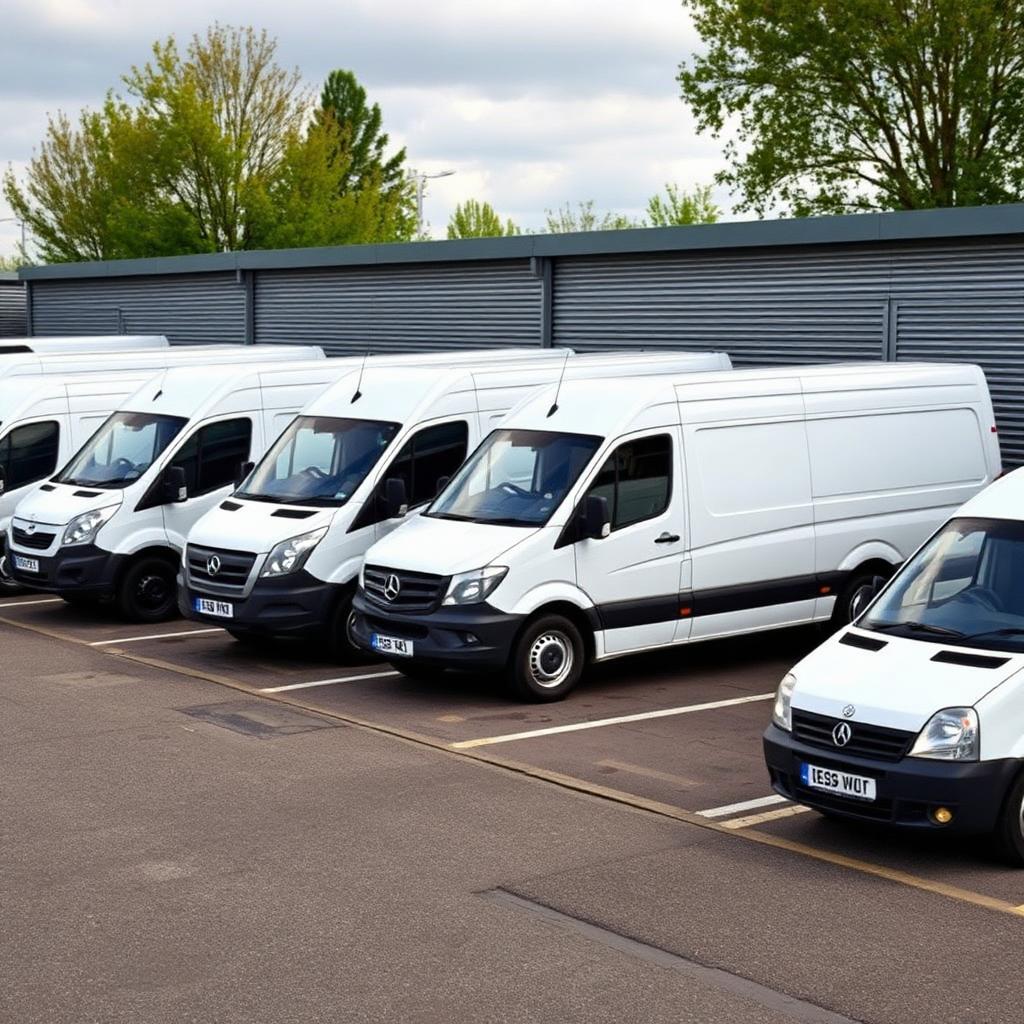
For UK businesses with vehicles, vans, plant or machinery on their books, the value tied up is often surprising.
Which Assets Qualify?
Lenders will refinance most identifiable, registrable or serial-numbered business assets. Common examples include:
- Company cars and vans
- HGVs, trailers and crew cabs
- Plant, machinery and yellow goods
- Engineering equipment with a clear resale value
- Coaches, buses and minibuses
The asset usually needs to be owned outright or have meaningful equity. Vehicles still on existing finance can often be re-financed too, with the original agreement settled in the process. 🚗
What You'll Get Quoted
The amount you can raise depends on:
- The agreed market value of the assets
- Your business's credit profile and trading history
- Loan-to-value (typically 70-80% of asset value)
- The term you choose
Rates in 2026 are competitive for established UK SMEs, particularly those with two or more years of accounts.
Pros and Cons
The pros:
- Quick access to capital — often faster than a bank loan
- Predictable repayments
- You keep using the asset
- May be tax-efficient depending on structure
The cons:
- The asset is secured to the lender during the term
- Default risks losing the asset
- Total interest paid over the term needs careful comparison with alternatives
Always run the numbers and speak to your accountant before committing. ✅
How WFYA Helps
At We Finance Your Asset, based in Reading, Berkshire, we structure asset refinance deals for UK businesses across motor trade, transport, construction and engineering.
We work with a panel of specialist lenders who properly understand commercial assets and won't penalise you for being a real-world SME. 👉
To explore whether asset refinance fits your business, visit wefinanceyourasset.co.uk for a no-obligation conversation.